What Is Pest management in Scarborough and How Does It Work?
What does extermination mean in Scarborough?
Pest management in Scarborough means identifying, controlling, and stopping pests that afflict homes, apartments, condos, restaurants, warehouses, and offices across this part of Toronto’s east end. For many homeowners, it is not just about removing bugs or rodents once they appear. It is also about minimizing conditions that attract them in the first place and protecting the property over time.
In practical terms, pest control Scarborough usually opens with a thorough look at the problem, then moves into treatment and prevention. That process may target mice, rats, ants, cockroaches, bed bugs, wasps, and spiders, depending on the building and the season. A good service concentrates on both the current infestation and the risk of it returning.
Because Scarborough, ON includes detached homes, townhomes, high-rise buildings, and commercial spaces, pest issues can vary a lot from one property to another. A house near the ravines may face different environmental factors than a condo near Kingston Road or a business along Lawrence Avenue East. That is why local pest control often depends on a localized service approach rather than one generic solution.
Most modern pest control programs use integrated pest management, which combines inspection, monitoring, targeted treatment, and long-term prevention. The goal is property protection with a focus on resident safety, effective results, and smart use of products and methods.
What pests are especially common in Scarborough homes and businesses?
Scarborough properties can face a wide mix of pests, but some are particularly prevalent in local homes and businesses. These include ants, cockroaches, mice, and bed bugs, along with wasps and spiders in certain seasons. The mix often depends on building type, nearby green space, waste management, and the time of year.
Ants are often drawn to kitchens, bathrooms, and wall voids where moisture or food residue is present. In spring and summer, they can become more noticeable in suburban neighborhoods and around older homes with access gaps. Cockroaches are another major concern, especially in kitchens, utility areas, and multi-unit buildings where warmth, food, and moisture make conditions ideal.
Mice and rats are among the most serious rodent problems in the area. They can enter through tiny entry points, nest in basements or storage rooms, and leave behind contamination and chewing damage. Signs of rodent activity may include droppings, scratching sounds, chewed packaging, and visible trails along walls.
Bed bugs are a frequent issue in apartment towers, stacked townhomes, and other shared buildings because they can spread through neighboring units and common areas. Once introduced, they can be difficult to remove without a structured plan and a follow-up visit.
Wasps often become an issue around eaves, decks, and rooflines during warmer months, while spiders are more likely to show up in garages, basements, and storage areas. In commercial settings, food service and waste storage can create even more pressure, making commercial pest control especially important for local businesses.
How does pest control work step by step?
The majority of pest control services use a structured process. Even though every property is different, the general steps commonly include inspection, identification, a treatment plan, and follow-up. This approach helps the licensed professional determine the cause of the issue rather than just treating visible symptoms.
1. Inspection
The first step is a detailed technician inspection. The technician examines infestation signs, entry routes, nesting areas, food sources, moisture issues, and evidence of pest movement. This may involve reviewing baseboards, kitchens, attics, basements, utility rooms, outdoor perimeters, and shared walls in multi-unit buildings.2. Identification
Correct identification matters because different pests require different methods. A few ants in a kitchen are not treated the same way as mice in a basement or bed bugs in a bedroom. Good identification also helps establish whether the issue is active, seasonal, or linked to a hidden source.3. Treatment plan
After the pest is identified, the technician prepares a treatment plan. This may use targeted treatment, bait stations, traps, sealing work, and advice on sanitation practices. The plan should match the property, the pest, and the level of infestation. In many cases, the best result comes from combining direct control with preventative measures.4. Follow-up
A follow-up visit is often needed to check whether pest activity has dropped and whether additional steps are required. This is especially important for recurring pests like rodents, cockroaches, and bed bugs. Follow-up supports monitoring, strengthens long-term prevention, and helps the technician modify the approach if conditions change.In many cases, pest control is not a one-time event. It is a process that uses monitoring, evidence-based decisions, and repeated evaluation to minimize the chance of another infestation.
What methods do pest control companies use?
Pest control companies use several methods, and the most suitable method depends on the pest, the building type, and the level of activity. In Scarborough, professionals commonly use bait treatment, trapping, proofing, and chemical applications as part of an overall integrated pest management plan.
Baiting methods is often used for ants, cockroaches, and rodents. Bait containers can attract pests to a product they carry back to the nest or colony, helping reduce the source of the problem. This method works well when the aim is wide control without much disturbance inside the property.
Trapping is especially common for mice and rats. Capture devices can help confirm activity, reduce numbers, and identify where rodents are moving. In a home or business, trapping is often paired with inspection and sealing work so that the same pests do not return through the same route.
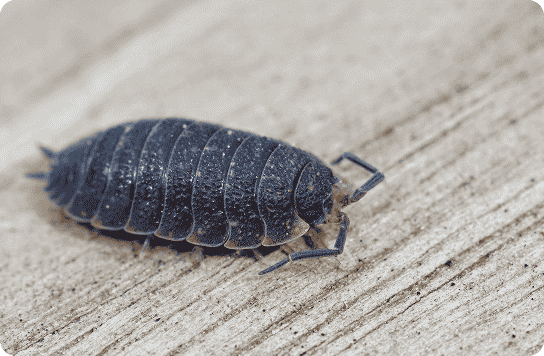
Exclusion is one of the most important long-term methods. It involves sealing openings, repairing gaps, adding screens, closing cracks, and improving the structure so pests cannot get in as easily. Exclusion is a key part of property protection because it tackles the access problem directly.
Targeted sprays may be used for certain insect problems, especially when the technician needs a targeted treatment for active areas. However, responsible pest control is not just about spraying. Good technicians choose the safest and most effective option for the situation, taking into account resident safety, indoor conditions, and the surrounding environment.
For lots of properties, the best outcome comes from combining these methods with sanitation, monitoring, and maintenance. That combination is what makes pest control more effective than a quick fix.
What should Scarborough property owners anticipate during a inspection?
During a pest control appointment, property owners should be prepared for a organized process that begins with an initial inspection and continues with a practical strategy for treatment and prevention. Whether the property is a detached home, a townhome, or a condo unit, the technician will usually inquire questions about pest sightings, how long the issue has been happening, and where activity has been noticed.
The technician will likely inspect key areas such as kitchens, bathrooms, basements, storage rooms, utility spaces, and the exterior perimeter. In apartments and other shared buildings, they may also look for signs of pest movement between units or through common walls. This is especially important in multi-unit housing where pest pressure can spread faster than in a standalone home.
Safety is a major part of the appointment. A reputable company should describe the products or methods being used, how they support safe treatment, and whether any preparation is needed before work starts. Families, tenants, and business operators should feel comfortable bringing up questions about indoor access, pets, children, food handling, and ventilation.
Preparation may include clearing counters, moving items away from walls, cleaning up food residue, or making space around baseboards and appliances. For rodent issues, preparation may also involve reducing clutter so the technician can assess hiding spots and movement paths. In some cases, the pest control company may provide a checklist before the appointment to make the process easier.
After the initial work, the technician may explain what was found, what signs point to the infestation source, and what should happen next. This might include a follow-up plan, sealing recommendations, or a scheduled return visit. Good communication matters because it helps property owners understand both the short-term fix and the long-term strategy.
How do area conditions in Scarborough affect pest problems?
Local conditions strongly shape pest activity throughout Scarborough, ON. As part of the Greater Toronto Area means the region experiences urban stress, dense housing pockets, and weather patterns that can push pests indoors. Yet, Scarborough also has its own mix of waterfront exposure, ravine systems, older neighborhoods, and newer developments, which creates varied pest conditions from block to block.
Areas near Lake Ontario may face extra dampness, and that moisture can sustain pest behavior in lower levels, crawlspace areas, and outer wall spaces. Near the waterfront and gully areas, seasonal changes can also influence movement as pests look for heated, drier, or more sheltered spaces. Persistent rain, humidity, and shifts in temperature can all influence where pests harbor and how actively they search for food and shelter.
Shared-unit housing creates another area-specific challenge. Apartment towers and multi-level townhomes can allow pest issues to move between units, especially when there are openings around pipes, utility lines, and shared structural spaces. A single unit may report rodent activity or cockroaches, but the underlying source can involve nearby spaces, trash rooms, or building-wide https://mississauga-onbi930.urbanvellum.com/posts/do-you-have-to-vacate-your-home-during-pest-control-in-scarborough conditions.
Residential areas in Scarborough can experience varying infestation pressure. Standalone houses and townhomes may face more frequently with access-point problems around footings, garages, rooflines, and landscaping. In these environments, pest problems can be linked to home maintenance, exterior clutter, bird food, trash storage, and seasonal outdoor activity.
Commercial corridors such as Kingston Road, Lawrence Avenue East, and Eglinton Avenue East also face particular pressure because businesses deal with deliveries, patrons, trash, and product storage on a daily basis. That is why both residential and commercial pest control in Scarborough must be matched to regional needs rather than treated as a cookie-cutter service.
When is it time to call a pest control professional?
You should call a pest control professional as soon as you notice clear signs of infestation. Typical warning signs include droppings, scratching sounds, damaged packaging, strong odors, shed insect skins, bite marks, nesting material, or visible pests during the day. If you are seeing activity over and over, the problem may be larger than it first appears.
Droppings are especially important when dealing with mice or rats because they usually indicate active rodent movement. Chewed wires, holes in walls, gnawed wood, or shredded insulation can also point to property damage caused by rodents. In commercial spaces, even a small amount of evidence can require fast action to protect operations and customer confidence.
If pests keep coming back after you have cleaned, sealed, or used over-the-counter products, you may be dealing with recurring pests that require a more complete plan. This is common with cockroaches, bed bugs, and rodents, where hidden nesting sites or shared walls make the issue hard to solve without professional help.
It is also wise to call a professional if you are unsure what pest you are seeing. Wrong identification can lead to the wrong treatment and wasted time. A licensed expert can inspect the property, confirm the pest, and recommend the right next step. Early action usually makes the problem easier to manage and reduces the chance of larger damage or spread.

How do you stop bugs after treatment?
After treatment, prevention is what stops the problem from returning. Strong hygiene habits, safer storage, regular maintenance, and closing openings all promote lasting protection. Pest control works best when the owner and specialist both resolve the conditions that enable pests to thrive.
Effective cleanliness habits involve clearing bits of food, sopping up spills right away, taking out waste often, and avoiding standing water. Kitchen areas, break rooms, and storage rooms need to stay clean because even tiny traces of debris can lure ants, cockroaches, and rodents. At home and in commercial settings, regular cleaning can reduce appeal and promotes ongoing control.
Sealing entry points is a key measure. Openings around doors, pipes, vents, windows, and foundation lines can let mice, rats, and insects inside. Exclusion efforts may involve caulking, screening, weatherstripping, or repair work that blocks access. This is one of the best forms of prevention methods because it addresses the route pests use to enter.
Correct food preservation counts as well. Supplies should be kept in closed containers, pet food should not be left out overnight, and pantry items should be examined for signs of contamination. For companies, storing storage off the floor and rotating stock can minimize hiding spots and make inspection simpler.
Routine property maintenance can also help. Repair leaks, clear out gutters, eliminate clutter, and keep landscaping trimmed away from the building. These measures lower moisture, nesting space, and shelter opportunities. In numerous cases, the most reliable results come from pairing home maintenance with a monitoring plan and occasional follow-up service.
Mosquito Man Scarborough1225 Kennedy Rd, Scarborough, ON M1P 4Y1, Canada
+1 647-243-7241
https://maps.app.goo.gl/8SuLx1MkkqVJFc2m9 https://mosquitoman.ca/pest-control/scarborough/
43.7561897, -79.2751574
Frequently asked questions about pest control in Scarborough
How does pest control in Scarborough?
Pest control in Scarborough is the procedure of identifying, removing, and preventing pests in residences and businesses across Scarborough, ON. It usually includes inspection, classification, targeted treatment, and prevention measures such as exclusion and sanitation. The aim is to reduce infestation risk and safeguard the property over time.
How does pest control work for residences and condos?
For residences and condos, pest control opens with an inspection to locate the pest, the entry route, and the source of the problem. In residences, the work may focus on basements, kitchens, and exterior gaps. In flats and condos, the service may also address shared walls, neighboring units, and building-wide pest pressure. Follow-up is often important in both settings.
How long does a pest control treatment usually take?
The length of a treatment depends on the pest, the size of the property, and how severe the infestation is. Some visits take under an hour, while larger jobs or multi-step treatments can take longer. The technician will usually explain the expected process after the initial inspection and whether a follow-up visit is needed.
Are pest control treatments safe for kids and pets?
Many modern treatments are designed with resident safety in mind when applied by a licensed professional. The technician should explain any precautions, such as staying out of treated areas for a short time or moving pet bowls and toys before service. Be sure to follow the instructions given for the specific treatment used in your home or business.
How often should pest control be done in Scarborough?
Treatment frequency depends on the pest, the property type, and whether the issue is ongoing or seasonal. Some properties need one-time service, while others benefit from recurring inspections or a monitoring plan, especially if they have repeated rodent activity, cockroaches, or shared-building pressure. In Scarborough, seasonal pest pressure can also make periodic prevention especially useful.